
Below is an overview of all the claims that we have examined so far. Have you come across a claim you’d like us to fact-check? Feel free to send it to us.
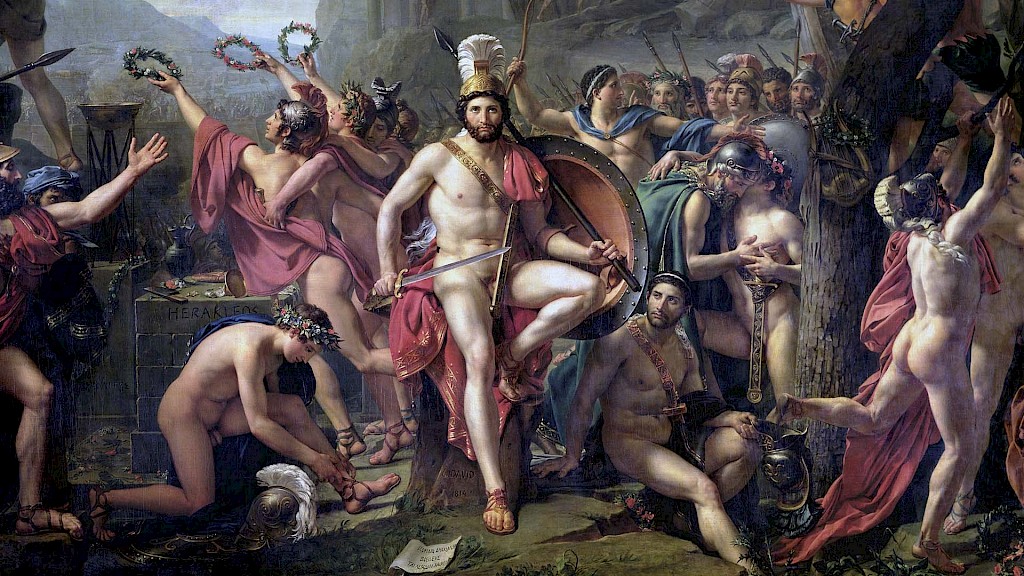
Did Leonidas say “molōn labe” at the battle of Thermopylae?
Molōn Labe has become a go-to phrase to denounce political authorities removing the perceived rights of citizens, and its origins in Spartan history is used to solidify its meaning as a righteous stand against oppression.

How were the Egyptian pyramids built?
It is a common claim that the construction of the pyramids are a mystery and archaeologists have no real evidence to figure out how they were built. As a result, alternative histories offer elaborate theories to try and explain the pyramids.

Did Hippocrates write the Hippocratic Oath?
The Hippocratic Oath is used to this day as a marker of medical diligence and responsibility, and it is assumed that its author was none other than Hippocrates, the “father of medicine”.
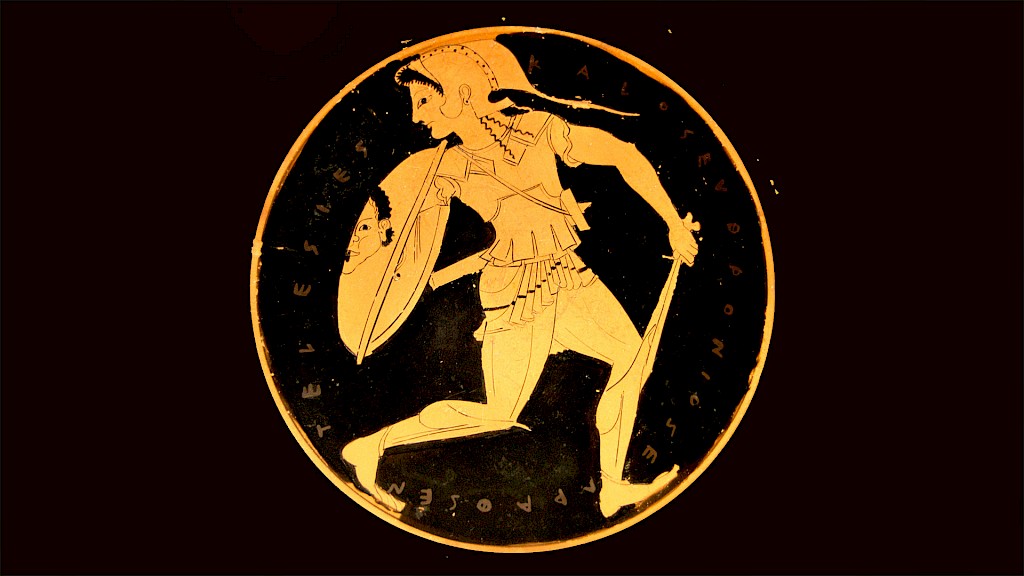
Did the mythical Amazons actually exist?
The Amazons are often said to have been real, with female warriors present in the ranks of nomadic armies.

Did people in ancient times believe the Earth was flat?
It is a commonplace to believe that people in the past held that the Earth was flat. But already in the distant past, people realized that our world is spherical.

Are the Homeric epics an accurate source for the Bronze Age Aegean?
The idea that the Homeric epics are somehow an accurate source for life in the Bronze Age Aegean has long gone the way of the dodo, at least in academic circles.
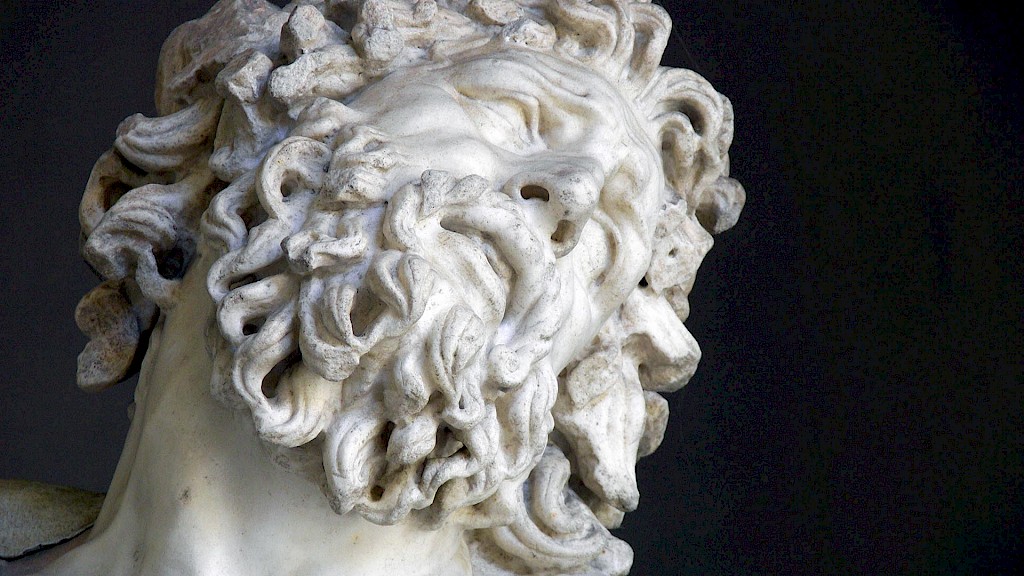
Were ancient statues painted?
Ancient statues in museums are usually gleaming white marble objects, without any trace of colour. But in ancient times, these objects were painted in vivid colours.

Is the ancient Greek hoplite named after his shield?
Despite all evidence to the contrary, there is a persistent claim that the ancient Greek heavy infantryman referred to as a “hoplite” is named after his shield.
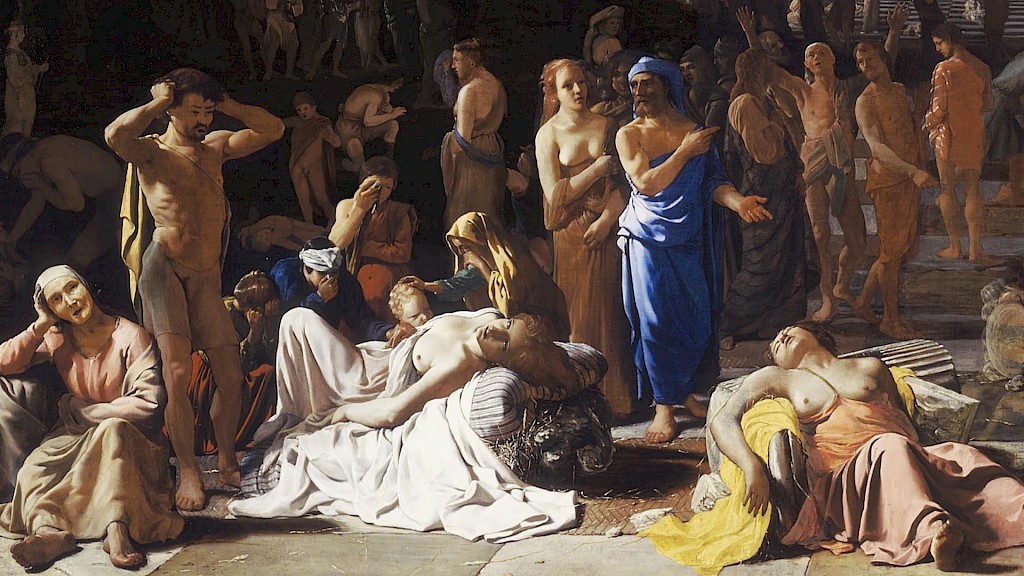
Did Athens lose the Peloponnesian War because it was ravaged by a plague?
With the coronavirus making its way through the world, ancient epidemics like the Plague of Athens are seized upon to make dire forecasts about the fate of modern society.

Was Minoan Crete a thalassocracy?
During the Bronze Age, Crete is thought by some to have enjoyed a Pax Minoica (“Minoan Peace”), thanks in large part to their ability to dominate the sea.